

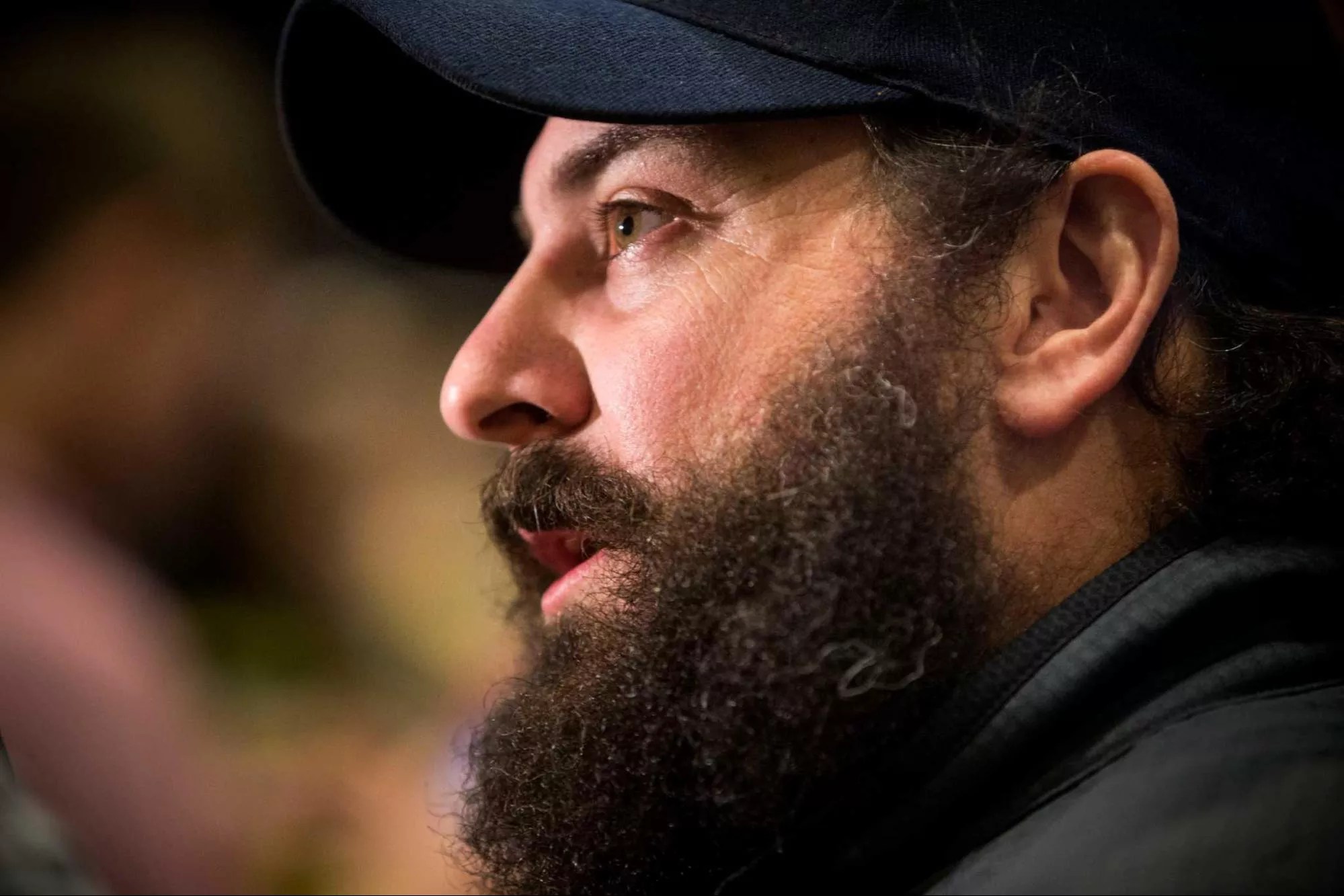
Football is experiencing a transformative moment. The boundaries between professional and collegiate athletics are dissolving, creating unprecedented opportunities for innovative and seasoned coaches like Matt Patricia. With only 32 NFL head coaching positions in existence, the most strategic minds are discovering that the future of football might lie beyond the professional leagues.
Matt Patricia’s journey represents more than a career transition. It’s a strategic evolution that reflects the broader changes sweeping through the sport. Alongside podcast co-hosts Bill Belichick and Mike Lombardi—both exploring similar paths into collegiate coaching—Patricia is at the forefront of a new coaching paradigm.
The sport has reached an inflection point. Name, Image, and Likeness (NIL) deals have transformed student-athletes into entrepreneurs. The transfer portal has become a year-round talent marketplace that rivals professional free agency. Coaches are no longer just strategists; they’re talent managers, brand architects, and organizational leaders who must navigate an increasingly complex athletic ecosystem.
Consider the broader context. The days of viewing collegiate football as a mere stepping stone to professional leagues are over. Today’s college programs are sophisticated enterprises, complete with advanced analytics, comprehensive development programs, and financial complexities that would have been unimaginable just a decade ago. Coaches like Patricia understand that the most exciting strategic challenges now exist in this dynamic collegiate landscape.
A Professional Pedigree
Matt Patricia isn’t just another coach making a move. His background is a masterclass in football strategy and systemic thinking. An aerospace engineering graduate from Rensselaer Polytechnic Institute, Patricia has always approached football as a complex system to be decoded. His tenure with the New England Patriots wasn’t just a coaching stint—it was a transformative period where he developed defensive schemes that became the gold standard in professional football.
His early coaching experiences tell a story of methodical growth. From graduate assistant roles at RPI to defensive line coach at Amherst College and offensive graduate assistant at Syracuse University, Patricia built a foundation of coaching expertise that goes far beyond typical career trajectories. Each stop was a learning opportunity, each role a chance to understand football from multiple perspectives.
Working alongside Bill Belichick, Patricia learned to see football as more than a game. It was a strategic challenge, a dynamic ecosystem of talent, preparation, and innovative thinking. Those years with the Patriots were more than a coaching apprenticeship—they were a graduate-level course in football strategy, organizational leadership, and systems thinking.
The metrics tell a compelling story. During Matt Patricia’s time as defensive coordinator, the Patriots consistently ranked among the top defensive units in the NFL. From 2012 to 2017, his defenses never finished lower than tenth in scoring defense—a testament to his strategic brilliance and adaptive coaching approach.
That pencil perpetually tucked behind his ear isn’t just an accessory—it’s a symbol of his meticulous approach to breaking down complex systems. During NFL games, Patricia would constantly make notes, track patterns, and develop strategies in real-time. His engineering background transformed how he viewed the game: not as a series of plays, but as an intricate, dynamic system to be analyzed and optimized.
The Ohio State Opportunity
For Matt Patricia, Ohio State represents a unique platform for coaching innovation. Under Ryan Day’s leadership, the Buckeyes have become a laboratory for reimagining collegiate athletics. The program offers something extraordinary: the chance to shape young talent from the ground up, to build a comprehensive football ecosystem that goes far beyond weekly game plans.
The transfer portal and NIL deals have transformed college football into a dynamic landscape that demands more from coaches than ever before. Patricia brings exactly what this new environment needs—a professional-level strategic mind capable of navigating complex talent management, brand building, and athletic development.
Ryan Day’s vision for Ohio State aligns perfectly with Patricia’s approach. Both understand that modern collegiate football is about more than just winning games. It’s about developing athletes holistically, preparing them for potential professional careers, and creating a program that represents excellence both on and off the field.
The Buckeyes are coming off a national championship, which adds another layer of complexity and expectation to Patricia’s role. He’s not just building a defense; he’s maintaining and potentially elevating a program at the pinnacle of collegiate football.
Beyond the Playbook
The traditional coaching career path is evolving. Where coaches once viewed the NFL as the ultimate destination, they now recognize that collegiate football offers a unique opportunity to innovate, to develop talent, and to create lasting impact. Patricia’s move is a strategic pivot that allows him to apply his professional insights to a different, equally challenging arena.
The very structure of collegiate football is undergoing a revolutionary transformation. Conference realignment has reshaped the competitive landscape, with traditional conferences being dismantled and rebuilt. The Big Ten’s expansion, including the addition of USC and UCLA, represents a seismic shift that turns collegiate football into something more closely resembling a professional league. The 12-team playoff format promises more high-stakes games, more opportunities for teams to prove themselves, and a fundamentally different approach to determining national champions.
These changes mean more than just additional games or new matchups. They represent a professionalization of collegiate athletics that aligns perfectly with coaches like Patricia’s strategic approach. The expanded playoff means more pressure, more preparation, and more opportunities for strategic innovation. Coaches must now prepare for more games, manage larger rosters, and navigate a more complex competitive environment that demands professional-level management.
The collegiate landscape offers something the NFL cannot: the ability to fundamentally shape young athletes during their most formative years. Where professional coaching is about immediate performance, collegiate coaching is about long-term development, character building, and creating a holistic approach to athletic excellence.
His podcast co-hosts are making similar moves. Bill Belichick and Mike Lombardi’s recent transition to the University of North Carolina demonstrates that the most innovative coaching minds see collegiate football as a frontier of opportunity, not a consolation prize. It’s a recognition that the most exciting strategic challenges might now exist in the collegiate ranks.
The economic landscape of college football has transformed dramatically. Television contracts, media rights, and NIL deals have turned collegiate programs into multi-million dollar enterprises. Coaches are now as much financial strategists as they are athletic leaders, required to understand complex economic ecosystems as well as defensive schemes.
Writing the Next Chapter
As the lines between professional and collegiate football continue to blur, coaches like Matt Patricia are writing the next chapter of the sport. They bring more than defensive strategies and game plans. They bring a comprehensive approach to developing athletes, building programs, and reimagining what football can be.
Patricia’s move to Ohio State is about potential—the potential to transform an already exceptional program, to bring professional-level insights to collegiate athletics, to develop not just football players, but future leaders. His engineering background provides a unique lens: where others see players, he sees systems to be optimized, potential to be unlocked.
The pencil remains—a symbol of Patricia’s meticulous nature. But now, instead of calling defensive plays in NFL stadiums, he’ll be shaping the future of football on a college campus, proving that true coaching innovation knows no boundaries.
The game is changing. And Matt Patricia is helping to change it.
This article appears in Mar 5-18, 2025.